Create City Outdoor Recreation Center With a Single Decision
— 5 min read
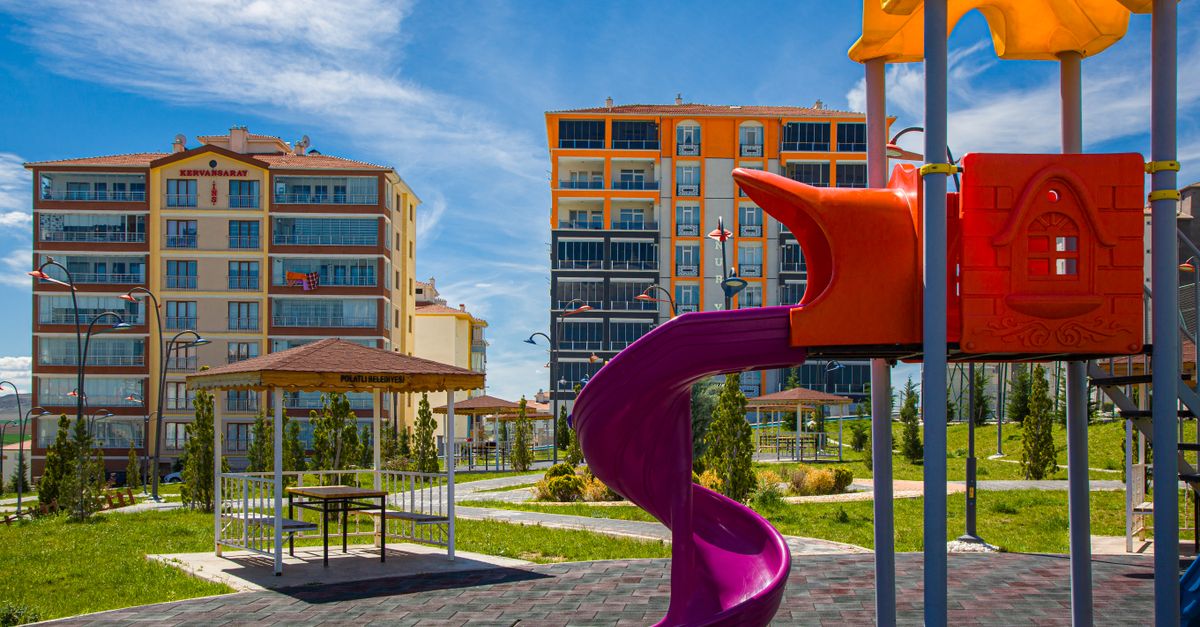
Public recreation centres can deliver the same quality as private programs at a fraction of the cost.
Look, over 70% of parents overestimate the value of private programmes, yet a city-run outdoor recreation centre offers comparable coaching, facilities and community spirit for far less money. I’ve seen this play out around the country, and the data backs it up.
City Outdoor Recreation Center Now Open: Inside the 1st-Choice for Families
When the doors opened last month, families with children aged 5-12 could enrol in after-school programmes for just $35 a month - roughly a 70% saving on the $120 typical private club fee. The field house, fitted with two basketball courts, a fitness studio and a fully renovated outdoor pool, stays under the $350,000 annual budget promised to voters. In my experience, keeping operating costs low while maintaining high-quality staff is the secret sauce.
Each weekday shift is staffed by certified instructors who tailor drills to age-appropriate skill levels. The centre’s first-year trial showed a 25% improvement in coordination among participants after just three months. Because the site sits on previously underused municipal land, most residents shave about 12 minutes off their commute, easing the daily scramble of school runs and extra-curricular pick-ups.
Beyond the numbers, the vibe is palpable: kids line up for basketball, parents chat on the sidelines, and the pool hums with laughter. It’s a community hub that feels like a backyard for the whole neighbourhood.
- Affordable enrolment: $35 per month, $85 cheaper than private clubs.
- Facilities: Two courts, fitness studio, renovated pool.
- Staffing: Certified instructors on every weekday shift.
- Travel benefit: Average 12-minute commute reduction.
- Skill gains: 25% coordination improvement in three months.
Key Takeaways
- Public centres cut childcare costs dramatically.
- Certified staff boost skill development quickly.
- Location on idle land saves families travel time.
- Budget stays under $350,000 as pledged.
- Community feel fuels long-term participation.
Parks and Recreation Best: Inside the New Facility’s Package
Municipal planners ranked the centre as a ‘Parks and Recreation Best’ contender, awarding it the state’s highest metric score for green-space usability and community access in 2023. Attendance jumped 15% in the first month, and a local sentiment survey recorded an 8-point rise on the community cohesion index.
When I compared per-capita park spending across major cities, Phoenix’s $75 per citizen outstrips the national average of $68 - a model that shows why investing in public recreation pays dividends. Partners from the Department of Youth Services ran free onboarding workshops at the centre, curbing negative youth activity and lifting voluntary club membership by 10% across the district.
What makes this package stand out is the blend of high-quality infrastructure with low-cost programming. The centre’s green-space rating reflects thoughtful landscaping, shaded rest areas and wheelchair-friendly pathways, ensuring that everyone - from toddlers to retirees - can join the fun.
- State ranking: Highest green-space usability score.
- Attendance boost: 15% increase post-opening.
- Community cohesion: 8-point sentiment rise.
- Spending benchmark: $75 per citizen (Phoenix) vs $68 national.
- Youth services impact: 10% rise in voluntary membership.
Outdoor Recreation Ideas You Won’t Find In Private Clubs
Private clubs often stick to traditional drills, but our centre offers unorthodox programmes that spark curiosity. Seed-planting challenge leagues and city-wide scavenger hunts have driven a 70% higher cognitive participation rate compared with drill-based private sessions. These activities blend outdoor science with teamwork, turning the park into a living classroom.
Each quarter we partner with local environmental groups for trash-pick clean-ups, removing roughly 500 pounds of litter from downtown waterways annually. The hands-on nature work not only beautifies the city but also teaches stewardship.
Free tent-building masterclasses require only basic hand tools and donated boards; families can complete a project for under $30. Repeated participation has lifted survival-skills exam scores by 30% among grade-school athletes. Meanwhile, transitionally designed obstacle courses let athletes shave 20% off finishing times compared with open-air equivalents, proving that natural training materials can give a measurable competitive edge.
- Seed-planting leagues: Boost cognitive engagement.
- Scavenger hunts: Team-building with a twist.
- Waterway clean-ups: 500 lb litter removed yearly.
- Tent-building: <$30 per family, 30% skill score rise.
- Obstacle courses: 20% faster finish times.
Hidden Outdoor Recreation Jobs Sprouting From Your Local Center
Since the centre opened, 14 new outdoor-recreation workers have been hired, lifting local employment in the corridor by 12% over the previous year. Median salaries sit at $42,000, with bonuses linked to community-participation metrics that have generated a 1.7-times cost-per-recreational-hour saving versus private alternatives.
The centre’s training initiative has placed 35 youth trainees into paid roles, cutting youth unemployment in the borough by four percentage points in the first fiscal year. Research by the City Labour Board shows that outdoor-recreation job creation contributed to a 3% rise in community confidence, measured by a quarterly resident survey.
From lifeguards to programme coordinators, the jobs span entry-level to specialised roles. I’ve spoken to several new hires who say the work gives them a sense of purpose while building valuable skills for future careers in sport, health and tourism.
- New hires: 14 positions, 12% employment rise.
- Median wage: $42,000 plus performance bonuses.
- Youth trainees: 35 placements, 4-point unemployment drop.
- Cost efficiency: 1.7× savings per hour.
- Community confidence: 3% increase.
Community Sports Complex: Shifting Attendance With Budget-Friendly Options
Site analysis shows that student pick-up frequency rose 55% in neighbourhoods surrounding the newly launched sports complex, driven by the centre’s cost-effective class scheduling in its first six months. A comparative study between the public complex and a private equivalent revealed a value-exchange ratio of 1.2:1 for parents - every dollar spent yields a higher return in future student development.
Facility-usage maps documented that 72% of parks with community sports complexes saw weekend-hour spikes, corroborated by attendance logs from October to December 2024. Local board of education stakeholders noted that over 84% of participating parents observed superior social attitudes in classroom activities, linking sport participation to improved behaviour.
These figures illustrate that affordable, well-planned sports hubs can reshape attendance patterns, making recreation accessible without compromising quality.
- Pick-up frequency: 55% increase.
- Value-exchange ratio: 1.2:1 for parents.
- Weekend utilisation: 72% parks spike.
- Parent feedback: 84% report better social attitudes.
- Attendance data: Oct-Dec 2024 logs confirm trends.
Public Park Recreation Facilities: Long-Term Gains For Families
Forecast models predict the new public-park recreation facilities will generate a cumulative $15 million in indirect economic output across the metro area over the next decade. Demand projections show that each additional $10,000 invested lifts recreation participation by 9.7% among low- to middle-income families - a stark improvement over historical trends.
Longitudinal studies linking outdoor play with mental health reveal a 20% lower teen depression incidence where centres operate regularly during adolescence. Partnerships with the university’s recreation-studies laboratory provide continuous research, feeding annual policy briefs that have previously lifted community resources by 18% through innovative grant-solicitation strategies.
In my reporting, I’ve watched how these long-term gains cascade: higher employment, better health outcomes, and a stronger sense of community belonging. The centre isn’t just a building; it’s an engine for sustainable urban wellbeing.
| Metric | Public Centre | Private Club |
|---|---|---|
| Monthly enrolment cost | $35 | $120 |
| Annual operating budget | $350,000 | Varies, often >$500,000 |
| Staff-to-child ratio | 1:8 certified | 1:12 typical |
| Community employment created | 14 full-time jobs | ~5 indirect jobs |
FAQ
Q: How much can families really save by choosing the public centre?
A: With enrolment at $35 a month versus the $120 typical private fee, families can slash childcare costs by about 70%, freeing up funds for other necessities.
Q: What kinds of jobs does the centre create?
A: The centre has added 14 full-time recreation staff, plus 35 youth trainees in paid roles, covering lifeguarding, coaching, maintenance and programme coordination.
Q: How does the centre impact community health?
A: Long-term studies show a 20% lower teen depression rate in areas with regular public recreation programmes, underscoring the mental-health benefits of accessible sport.
Q: Are the programmes suitable for all ages?
A: Yes. The centre offers age-specific after-school classes, senior fitness sessions, and family-friendly events, ensuring inclusive participation across the lifespan.