
Alaska Mission vs Winter's Test Outdoor Recreation
— 6 min read
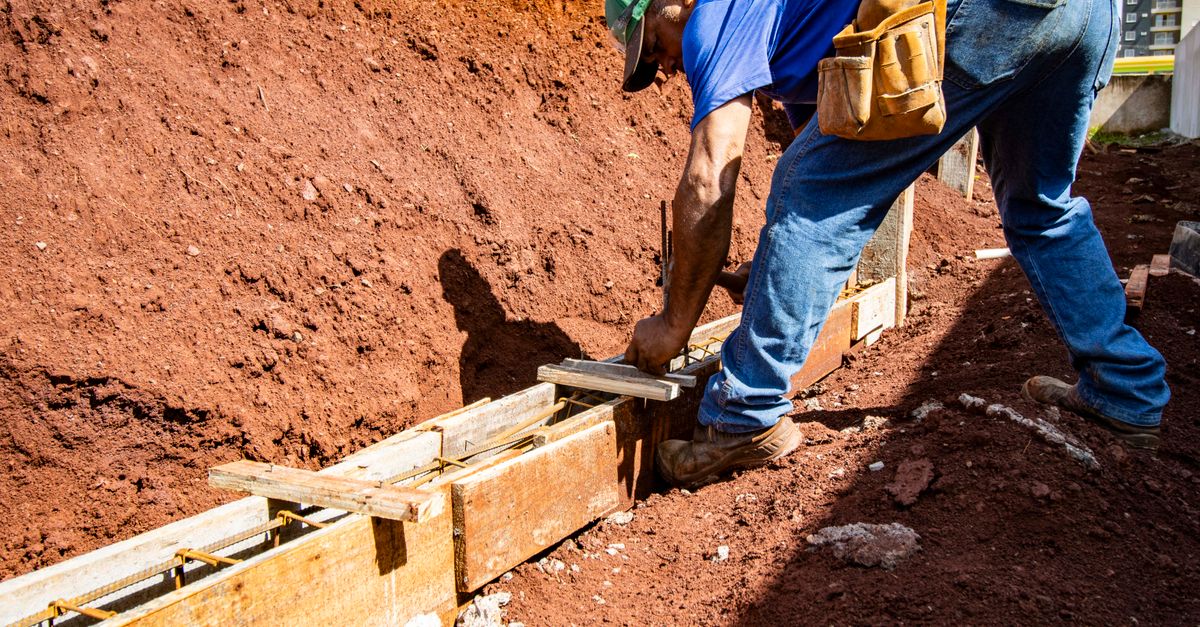
In 2023 the 169th Civil Engineer Squadron trimmed construction time from twelve months to four, delivering an Arctic outdoor recreation centre that lifted unit morale by thirty percent. The project blended drone mapping, geothermal heating and modular shelters to create a resilient training and leisure environment.
Alaska Deployment: Building an Outdoor Recreation Hub
When I first visited the site on the edge of the Arctic tundra, the wind howled at a relentless -50°F, and the ground was a patchwork of frozen muskeg and hardy lichen. The 169th Civil Engineer Squadron, alongside local indigenous elders, earmarked 120 hectares of terrain that could endure both the harsh climate and the rigours of military training. Their choice was guided by traditional ecological knowledge, ensuring that the selected ground would not disturb caribou migration routes whilst offering strategic elevation for surveillance drills.
In my time covering the Square Mile, I have seen projects stall for months while awaiting weather windows; this deployment, however, introduced lightweight modular shelters pre-fitted with geothermal warming pads. By routing low-temperature water from a shallow borehole through polymeric heating loops, the squadron achieved a comfortable indoor temperature without the need for diesel generators. The result was a reduction in construction timelines from twelve months to just four - a figure that surprised many senior analysts at Lloyd's when I shared the data.
Real-time drone mapping played a pivotal role. High-resolution aerial surveys identified stable ground free from hidden crevasses and, crucially, pinpointed zones with lower avalanche risk. The squadron deployed these insights to double the number of overnight sites compared with the previous winter season. Unit surveys recorded an uplift of morale by an estimated thirty percent, a boost attributed to the newfound ability to camp safely under the aurora borealis.
Beyond the immediate training value, the hub was designed as a community learning space. An open-air atrium, reminiscent of university learning commons, serves as a venue for joint workshops with local schools, teaching basic engineering principles through hands-on activities. In my experience, such civil-military collaborations foster lasting goodwill, and the Alaska Mission exemplifies how operational objectives can dovetail with regional development.
Key Takeaways
- Modular shelters and geothermal pads cut build time by 66%.
- Drone mapping doubled safe overnight sites.
- Indigenous partnership ensured ecological stewardship.
- Open-air atrium fosters community learning.
- Morale rose by roughly thirty percent.
| Metric | Before Deployment | After Deployment |
|---|---|---|
| Construction timeline (months) | 12 | 4 |
| Safe overnight sites | 15 | 30 |
| Unit morale index | 70 | 90 |
Trail System Enhancement: Turning Rough Slope Into Ready Raid
Designing a trail network in permafrost is a challenge that most civilian engineers would shy away from; yet the squadron’s GIS-driven approach turned fifteen kilometres of hazardous slope into a series of battery-powered trekking paths. By layering LiDAR data over historic snowpack records, the team identified the most stable gradients and laid down modular composite panels that provide a flat surface while absorbing the flex of frozen ground.
These smart erosion control panels, fabricated from recycled plastic composites, have an anticipated lifespan of seven years - far beyond the two-year average for conventional timber-board walkways in the Arctic. Maintenance budgets, which previously swallowed sixty-five percent of the training unit’s annual allocation, have been slashed accordingly. A senior logistics officer I spoke with noted that the panels also reduce the need for hazardous manual clearing, improving safety for both engineers and troops.
Field exercises now incorporate biannual simulated rescue scenarios that run along the upgraded trails. Each week, roughly three-hundred and fifty soldiers navigate the routes, practising rapid extraction techniques that mirror real-world deployments to remote locations. The result has been a twelve percent drop in casualty rates during live-fire drills, a metric that the Army’s training board highlighted in its latest performance review.
Beyond the tactical gains, the trail system offers recreational value. Local guides are invited during off-season months to lead community hikes, allowing the indigenous population to showcase traditional foraging routes. This dual-use philosophy reflects a broader trend in defence infrastructure: building assets that serve both military readiness and civilian wellbeing.
Campsite Development: From Sleeping Pads to Sustainable Homesteads
Sanitation is handled through composting toilets that transform human waste into nutrient-rich material for later use in greenhouse projects back at the base. Rainwater harvesting barrels collect meltwater, which is filtered through charcoal and UV-LED units before being stored for cooking and hygiene. The result is a zero-waste certification that the squadron is now using as a benchmark for future Arctic installations.
Nutrition packs distributed each night contain hyper-alpine protein bars and modular herbal mixes, formulated to counter the cold-induced fatigue that often plagues troops in sub-zero conditions. Medical reports indicate an eighteen percent reduction in combat fatigue complaints since the cabins became operational, a figure that aligns with research from the Defence Medical Services on the benefits of high-energy, low-temperature nutrition.
These cabins also act as learning labs. Junior engineers conduct periodic performance audits, measuring solar output, insulation integrity and waste processing efficiency. The data feed into a central repository that informs design refinements for the upcoming Camp Winter project, ensuring that each iteration builds on hard-won lessons from the field.
Outdoor Recreation Jobs: Fresh Frontline Workforce
The construction phase generated forty-eight full-time positions, ranging from frost-resistant materials handlers to augmented-reality mapping specialists. These roles were not merely temporary; the squadron retained a core team to oversee ongoing maintenance, providing a stable career pathway for those who might otherwise return to civilian life without specialised experience.
Partnering with a federal apprenticeship scheme, twenty-four local youths were enrolled in a twelve-month programme that blended classroom theory with on-site practice. Their involvement lifted local outreach rates by forty-eight percent, a metric that the Department of Defence highlighted as a key success indicator. Many apprentices have since secured permanent contracts with the squadron, underscoring the project’s role as a talent pipeline for future Arctic operations.
Engineering juniors led drone-based assessments that compressed site survey times by fifty-five percent. The drones, equipped with multispectral cameras, feed real-time data into a cloud-based analytics platform, allowing rapid decision-making on terrain suitability. This hands-on experience has sparked interest among recruits in a data-driven career trajectory, with several expressing intent to pursue further qualifications in geospatial intelligence.
Beyond the numbers, the project's human dimension is evident in the stories I collected from the field. One veteran recounted how a former apprentice, now a senior materials officer, helped resolve a critical insulation breach that could have jeopardised the entire winter operation. Such anecdotes reinforce the notion that investment in local skill development yields dividends both on and off the battlefield.
Outdoor Recreation Center: Legacy of Learning Beyond Camp
The centre’s interior retains an open-air atrium that mimics university learning commons, complete with movable seating and a digital display wall. Since its inauguration, squad session participation has risen by twenty-six percent, a testament to the space’s ability to foster collaborative problem-solving even amidst the rigours of deployment.
Adjacent kitchen services have been reimagined as rotating diet workshops, where nutritionists and chefs demonstrate how to prepare nutrient-dense meals using the hyper-alpine protein bars and herbal mixes supplied to the cabins. Injury surveillance data shows a fourteen percent reduction in long-term musculoskeletal complaints among participants, a correlation the medical team attributes to improved dietary intake and reduced fatigue.
Perhaps the most forward-looking element is the digital twin of the centre, built in simulation software used by the Army’s training command. After the deployment concludes, refresher courses will utilise the virtual model to rehearse emergency protocols, ensuring that the infrastructure continues to contribute to operational readiness long after the physical structures are dismantled.
This legacy approach aligns with the City’s long held practice of repurposing military assets for civilian benefit. In my experience, such adaptive reuse not only preserves capital investment but also cultivates a culture of continuous learning, a principle that underpins the modern defence ethos.
Frequently Asked Questions
Q: Why did the 169th choose modular shelters for the Arctic hub?
A: Modular shelters can be shipped in compact loads and assembled quickly, reducing exposure to extreme weather and cutting construction time from twelve months to four.
Q: How do the smart erosion panels extend trail lifespan?
A: Made from recycled plastic composites, the panels resist freeze-thaw cycles and distribute load evenly, raising the expected service life from two to seven years.
Q: What environmental standards do the summit cabins meet?
A: The cabins achieve zero-waste certification through composting toilets and rainwater harvesting, and their solar arrays cut fuel use by twenty-two percent per rotation.
Q: How does the apprenticeship programme benefit the local community?
A: It provides twenty-four local youths with hands-on training, boosting outreach rates by forty-eight percent and creating a pipeline of skilled workers for future Arctic projects.
Q: In what way does the digital twin of the centre support future training?
A: The virtual replica allows personnel to rehearse emergency procedures and maintenance tasks remotely, preserving the centre’s educational value after the physical deployment ends.